
Waterproof Laminate Flooring: Is It Truly Water-Resistant?
Waterproof Laminate Flooring: Is It Truly Water-Resistant?
Laminate flooring has long been a favorite for homeowners due to its affordability, durability, and attractive finish. But with recent advances, manufacturers now offer "waterproof" laminate flooring options. If you’re considering new flooring for areas like kitchens, bathrooms, or basements, understanding whether waterproof laminate lives up to its claims is essential. Let's explore what makes this flooring water-resistant, its limitations, and practical tips for choosing and maintaining it.
What Makes Laminate Flooring “Waterproof”?
Traditional laminate flooring consists of a fiberboard core, which is highly susceptible to swelling when exposed to water. “Waterproof” laminate solves this issue with a combination of enhanced core materials, improved joint locking systems, and a top wear layer designed to protect against spills and splashes.
- Enhanced core: Modern waterproof laminate uses high-density fiberboard (HDF) cores treated to resist moisture absorption.
- Sealed edges: Many brands use sealed or waxed edges, making water penetration at the joints much less likely.
- Protective wear layer: An upgraded, water-repellent surface layer shields against minor spills and dampness.
Is Waterproof Laminate Really Water-Resistant?
Despite its name, waterproof laminate is not entirely impervious to water. It's more accurately described as water-resistant. Most products can withstand spills, splashes, and even puddles for a specified period (often up to 24 or 48 hours) without sustaining damage.
- Short-term resistance: If you wipe up spills quickly, waterproof laminate flooring is highly unlikely to swell or warp.
- Not for persistent leaks: Prolonged exposure to standing water, such as from pipe leaks or floods, can eventually seep into the core and cause damage.
- Edge and joint protection is key: While the surface is water-resistant, poorly installed or compromised joints may still allow water below the surface.
Where Can You Use Waterproof Laminate Flooring?
Waterproof laminate’s improved moisture resistance opens up new possibilities. Here are some of the best applications:
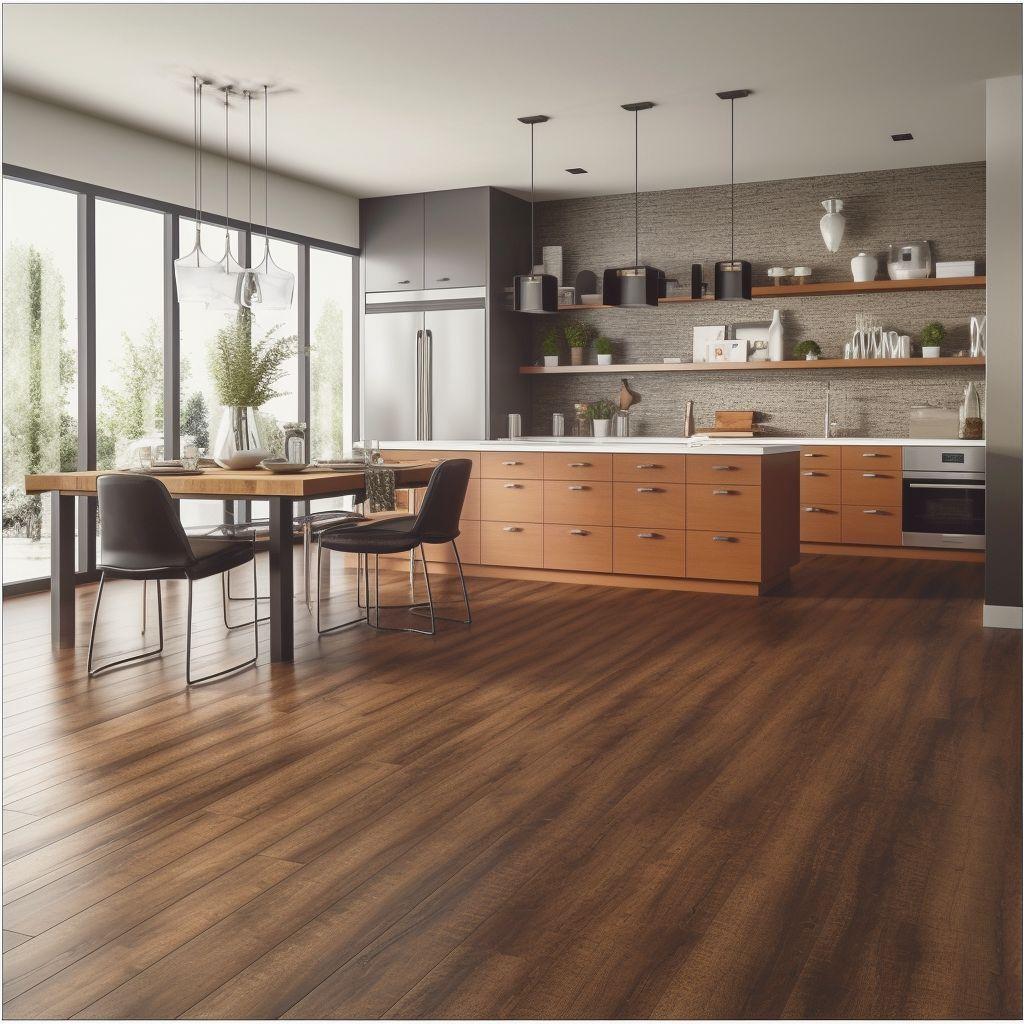
- Kitchens: Spills from cooking or cleaning can occur frequently, and waterproof laminate stands up well if attended to swiftly.
- Bathrooms (with caution): Provided the room is well-ventilated and water is cleaned up quickly, certain brands are suitable for half-baths or powder rooms.
- Basements: These below-grade spaces benefit from laminate's resistance, especially if minor dampness is a concern.
- Laundry rooms: Drips and splashes from washing machines are no problem for most waterproof laminates.
Tips for Choosing and Installing Waterproof Laminate
To get the most out of waterproof laminate flooring, keep these practical pointers in mind:
- Check the warranty: Reputable manufacturers offer clear water-resistance ratings. Look for products backed by a guarantee against moisture damage.
- Professional installation matters: Precise installation ensures locked joints and minimal gaps, keeping water on the surface rather than allowing it to seep underneath.
- Use compatible underlayment: Certain moisture barriers can add further protection, especially in basements or ground-level installations.
- Consider room humidity: While the flooring resists liquid water, excessive humidity can still affect the material. Maintain proper ventilation, especially in bathrooms.
- Seal perimeter and transitions: In wet rooms, apply waterproof caulk around the floor’s perimeter and at transitions to other surfaces.
Maintaining Your Waterproof Laminate Floors
Proper care extends the life and appearance of your laminate flooring. Follow these simple but effective steps:
- Wipe up spills immediately: Even though the floor is water-resistant, it’s always best to clean up liquids quickly to prevent seepage.
- Use a damp mop for cleaning: Avoid soaking the floor. Lightly dampen the mop and dry the surface after cleaning.
- Avoid harsh cleaners: Stick to gentle, laminate-safe products to avoid damaging the protective surface.
- Monitor for leaks: Fix any appliance or plumbing leaks promptly to avoid prolonged moisture exposure.
Key Takeaways: Waterproof Laminate Flooring
- Waterproof laminate offers superior water resistance to traditional laminate, making it a smart choice for moisture-prone rooms.
- No flooring is truly waterproof—acting quickly to clean spills and using proper installation techniques is critical for longevity.
- Always follow manufacturer care and installation guidelines to maximize your warranty coverage and get the most from your investment.
By understanding the strengths and boundaries of waterproof laminate, you can confidently install it in the right spaces and enjoy its beauty and durability for years.
 Jonathan SandersBlogger